SELECTED PROJECTS / 01
Underground Mining | Project Controls | Development Planning
Underground Dewatering Infrastructure Project
A US$20 million underground infrastructure project covering approximately 5.3 km of development, focused on strengthening long-term mine-water management and operational resilience.
My contribution included front-end development readiness, baseline scheduling, weekly progress control, delay analysis, stakeholder coordination, field verification, and manpower, equipment and material cost planning.
Explore the project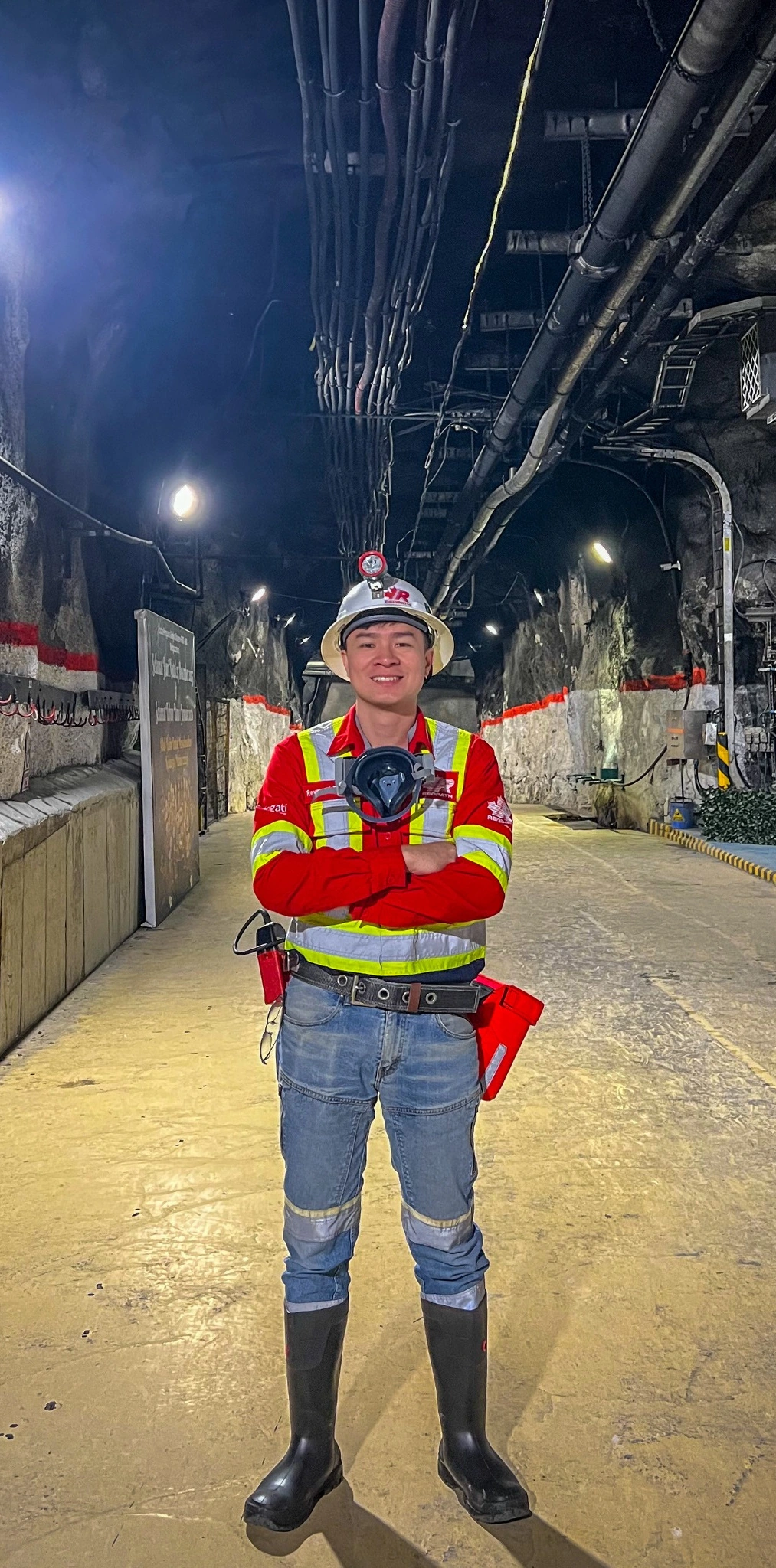
WHY THIS PROJECT MATTERED
Dedicated infrastructure.
Long-term resilience.
Following the September 2025 external mud rush at the Grasberg Block Cave underground mine, strengthening mine-water management and reducing exposure to uncontrolled water and wet-material movement became an important operational risk-management priority.
The Underground Dewatering Infrastructure Project was developed to establish dedicated underground infrastructure supporting controlled long-term drainage and maintainable access for inspection and maintenance.
DRIFT 1
Service & Maintenance Access
Dedicated access supporting inspection, maintenance and infrastructure requirements.
DRIFT 2
Primary Drainage Pathway
Dedicated drainage infrastructure supporting controlled long-term mine-water management.
MY ROLE & CONTRIBUTION
Connecting the plan
with execution.
Front-End Development Readiness
Coordinated with Geo Engineering to assess rock-mass conditions and incorporate recommendations into excavation and ground-support readiness.
Baseline Scheduling
Built the development schedule from the beginning in Microsoft Project, including baseline, development sequence, milestones and delay tracking.
Weekly Progress Control
Updated development progress weekly and compared actual progress against the baseline schedule.
Delay Analysis
Identified delayed activities, assessed schedule impacts and coordinated actions required to maintain visibility of the execution plan.
Field Verification
Conducted underground field inspections to validate reported progress, understand field conditions and support stakeholder coordination.
Cost & Resource Planning
Estimated manpower, primary and support equipment, and ground-support material requirements to support project planning and cost control.
FRONT-END PLANNING WORKFLOW
Establish readiness.
Then build the baseline.
- 01Geo Review
- 02ATE / ATIGS Readiness
- 03Resource Planning
- 04Round Targeting
- 05Baseline Schedule
- 06Weekly Control
Development planning used a nominal advance of approximately 3.5 metres per heading round to translate planned development metres into daily and weekly round requirements.
ATE: Approval to Excavate · ATIGS: Approval to Install Ground Support
PROJECT CONTROL WORKFLOW
Keep the plan connected to field reality.
- 01Baseline Schedule
- 02Weekly Progress Update
- 03Plan vs Actual
- 04Delay Analysis
- 05Field Verification
- 06Stakeholder Coordination
- 07Cost & Resource Update
EVIDENCE OF WORK
In the environment.
Alongside the team.
01 / UNDERGROUND PROJECT ENVIRONMENT
Underground Project Environment
Supporting project planning, progress monitoring and field coordination within the underground operating environment.
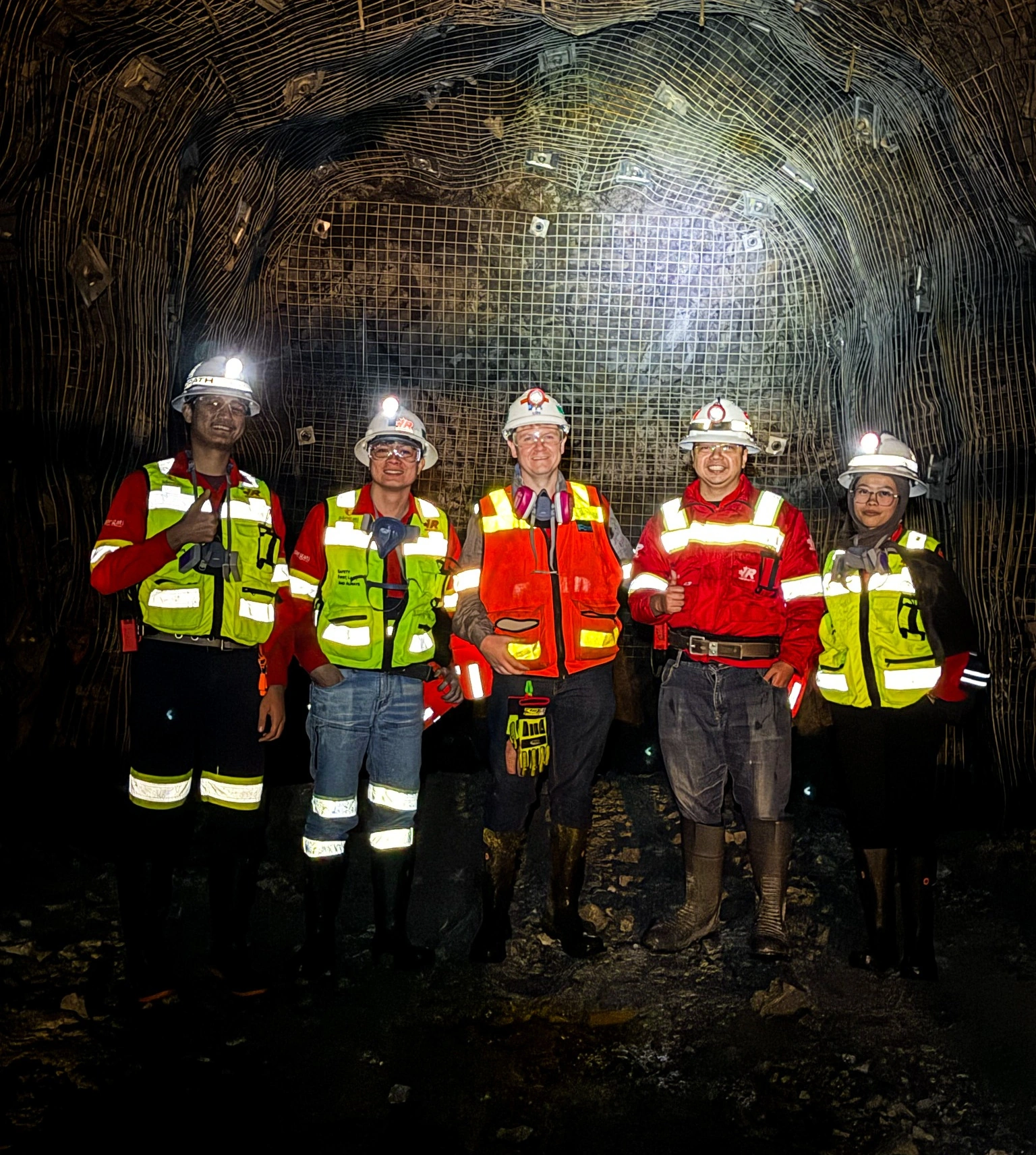
02 / PROGRESS VERIFICATION
Actual Field Inspection
Progress verification with the project team supporting delay validation, field awareness and stakeholder coordination.
SCHEDULE EVIDENCE
Baseline. Progress.
Visibility of variance.
Anonymised Portfolio ReconstructionIllustrative sequence and progress only. Bar lengths, periods, flags and milestones demonstrate the control method; they do not represent actual project dates, completion or delays.
Development sequence
P1P2P3P4P5P6P7P8
Development Package A
!◆
Development Package B
◆
Infrastructure Works
!◆
Connection Development
◆
Closeout / Handover
◆
BaselineActual / Progressed!Variance / Delay Flag◆Milestones
P1–P8 are generic planning periods. No internal system screenshots or raw schedule data are used.
RESOURCE & COST PLANNING
Three cost drivers.
One integrated plan.
MANPOWER
Crew demand, labour hours and supporting roles required to achieve the planned development rate.
EQUIPMENT
Primary development and support equipment required to sustain the planned development sequence.
MATERIALS
Ground-support material demand estimated against development scope and approved geotechnical recommendations.
WHAT THIS PROJECT DEMONSTRATES
Planning discipline.
Operational understanding.
Front-End Planning
Turning engineering and field requirements into an executable development plan.
Project Controls
Building and maintaining a baseline schedule supported by weekly progress updates.
Field-Based Verification
Using direct underground inspections to validate progress and understand schedule impacts.
Integrated Cost & Resource Thinking
Connecting development scope, manpower, equipment, materials, schedule and progress.
Supported the planning and control of a US$20 million underground infrastructure project covering approximately 5.3 km of development through integrated readiness planning, scheduling, weekly progress control, field verification, delay analysis, stakeholder coordination and resource-cost estimation.
The full case study opens as a PDF in a new tab.